


Most women own beautiful sarees they rarely wear — not because they don’t love them, but because they’re unsure how to style them beyond one predictable drape.
The truth is, a saree doesn’t change when you buy a new one. It changes when you drape it differently.
A single saree can look traditional, modern, sensual, or sharply elegant depending on how it’s worn. The drape decides the mood. The drape decides the energy.
These ten saree draping styles show how you can transform the same six yards into entirely different expressions — from classic and cultural to contemporary and after-dark.
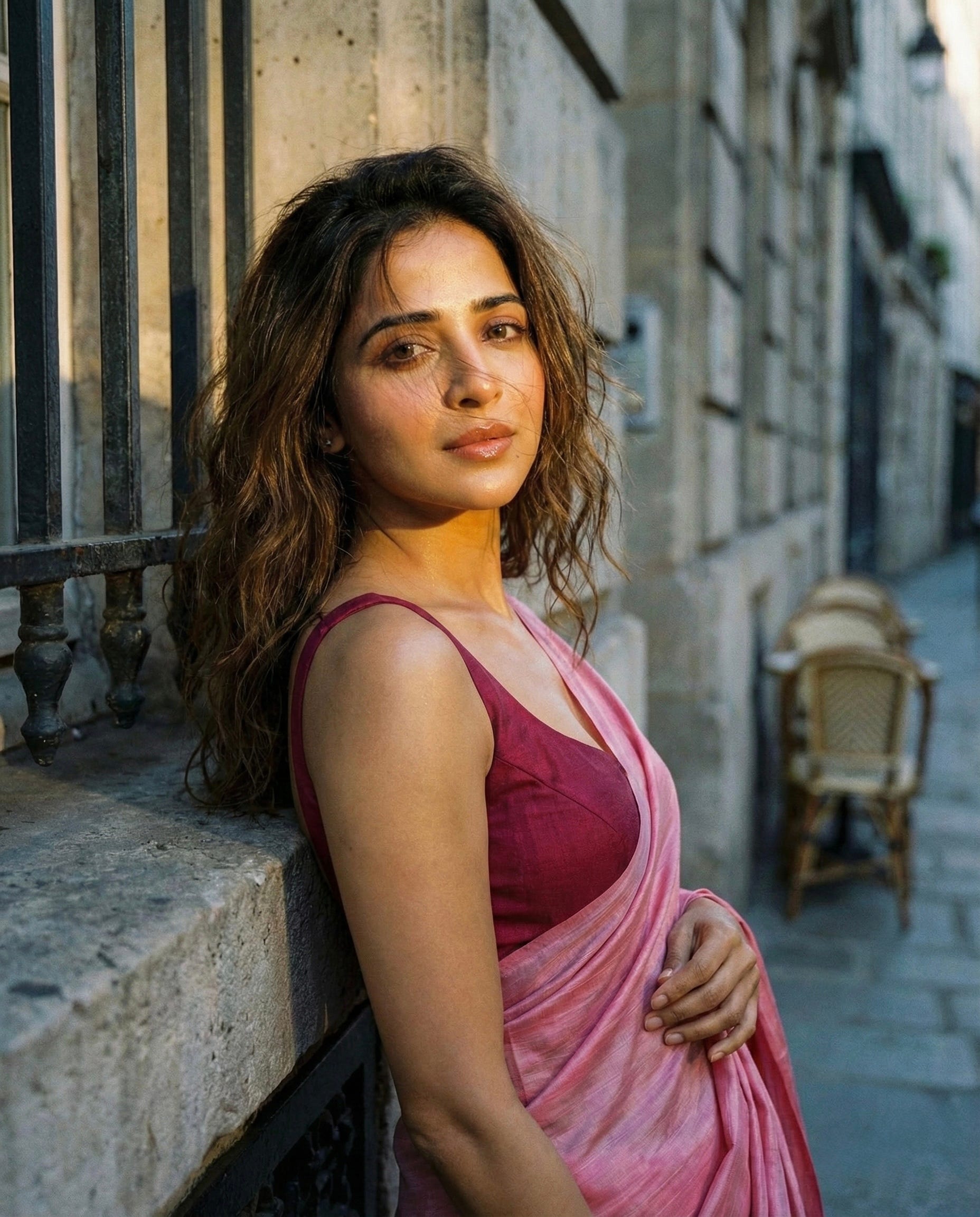
The Foundation: Basic Saree Draping Steps
Before exploring variations, it helps to understand the most common base drape — the Nivi style.
The standard process involves:
-
Tucking one end of the saree at the waist (right hip)
-
Wrapping it around the body
-
Creating front pleats at the center
-
Draping the pallu over the left shoulder
These steps form the foundation for almost every saree drape that follows. Once you’re comfortable with this base, experimenting becomes intuitive rather than intimidating.
1. Nivi Drape (Classic Andhra–Telangana Style)
What it is:
The most widely worn saree drape, defined by front pleats and a pallu falling over the left shoulder.
Why it matters:
The Nivi drape balances structure and softness. It highlights borders, allows movement, and adapts easily to both formal and relaxed settings.
Best for:
Daily wear, work events, formal evenings, minimalist styling.
After Dark tip:
Pair a fluid fabric with a clean blouse and let the drape stay simple. Confidence comes from restraint.
2. Bengali Aath Pali Drape
What it is:
A voluminous drape with a wide pallu looped twice over the shoulder, minimal front pleats.
Why it matters:
This drape celebrates drama without excess. The saree becomes architectural.
Best for:
Festivals, cultural ceremonies, statement moments.
After Dark tip:
Choose strong borders and let the pallu dominate — this drape is about presence, not subtlety.
3. Gujarati Seedha Pallu Drape
What it is:
A reverse pallu drape where the decorative end is displayed across the front.
Why it matters:
It turns the saree into a visual narrative — embroidery, mirror work, and craftsmanship take center stage.
Best for:
Weddings, festive gatherings, cultural events.
After Dark tip:
Balance the richness with a minimal blouse to avoid visual overload.
4. Maharashtrian Nauvari Drape
What it is:
A nine-yard saree worn in a dhoti-like silhouette, with pleats between the legs.
Why it matters:
Originally designed for movement and strength, this drape redefines femininity as power.
Best for:
Festivals, dance performances, cultural celebrations.
After Dark tip:
Modern pre-stitched versions make this powerful silhouette accessible without complexity.
5. South Indian Madisar (Temple Drape)
What it is:
A ceremonial nine-yard drape with intricate pleats and temple borders.
Why it matters:
It reflects ritual, heritage, and quiet authority.
Best for:
Weddings, religious ceremonies, milestone moments.
After Dark tip:
This drape isn’t about trend — it’s about reverence. Let tradition speak.
6. Kodava (Coorgi) Drape
What it is:
A reverse drape with pleats at the back and the pallu pinned behind the shoulder.
Why it matters:
Functional, practical, and culturally specific — a reminder that style often begins with necessity.
Best for:
Festivals, cultural gatherings, regional celebrations.
After Dark tip:
The back-focused design creates understated elegance from every angle.
7. Dhoti-Style Saree (Indo-Western Fusion)
What it is:
A saree draped like dhoti pants, often paired with modern blouses or jackets.
Why it matters:
It challenges the idea that sarees must restrict movement.
Best for:
Cocktail parties, sangeets, contemporary styling.
After Dark tip:
Light fabrics and clean lines keep this look sharp, not costume-like.
8. Palazzo or Pant Saree
What it is:
A saree draped over palazzos or fitted trousers instead of a petticoat.
Why it matters:
Comfort meets structure — ideal for modern lifestyles.
Best for:
Semi-formal events, creative workplaces, travel.
After Dark tip:
High-waisted pants preserve elegance while allowing ease.
9. Lehenga-Style Saree
What it is:
A saree pleated all around the waist to mimic a lehenga skirt.
Why it matters:
It offers volume, drama, and bridal presence without abandoning the saree.
Best for:
Weddings, receptions, festive nights.
After Dark tip:
Rich fabrics elevate this drape — let texture do the talking.
10. Butterfly & Fusion Drapes (Belts, Capes, Scarves)
What it is:
Contemporary interpretations using fine pleats, belts, jackets, or capes.
Why it matters:
These drapes return authorship to the wearer. There are no rules — only intention.
Best for:
Fashion-forward events, evening parties, after-dark settings.
After Dark tip:
Accessories should frame the saree, not overpower it. Sensuality lives in balance.
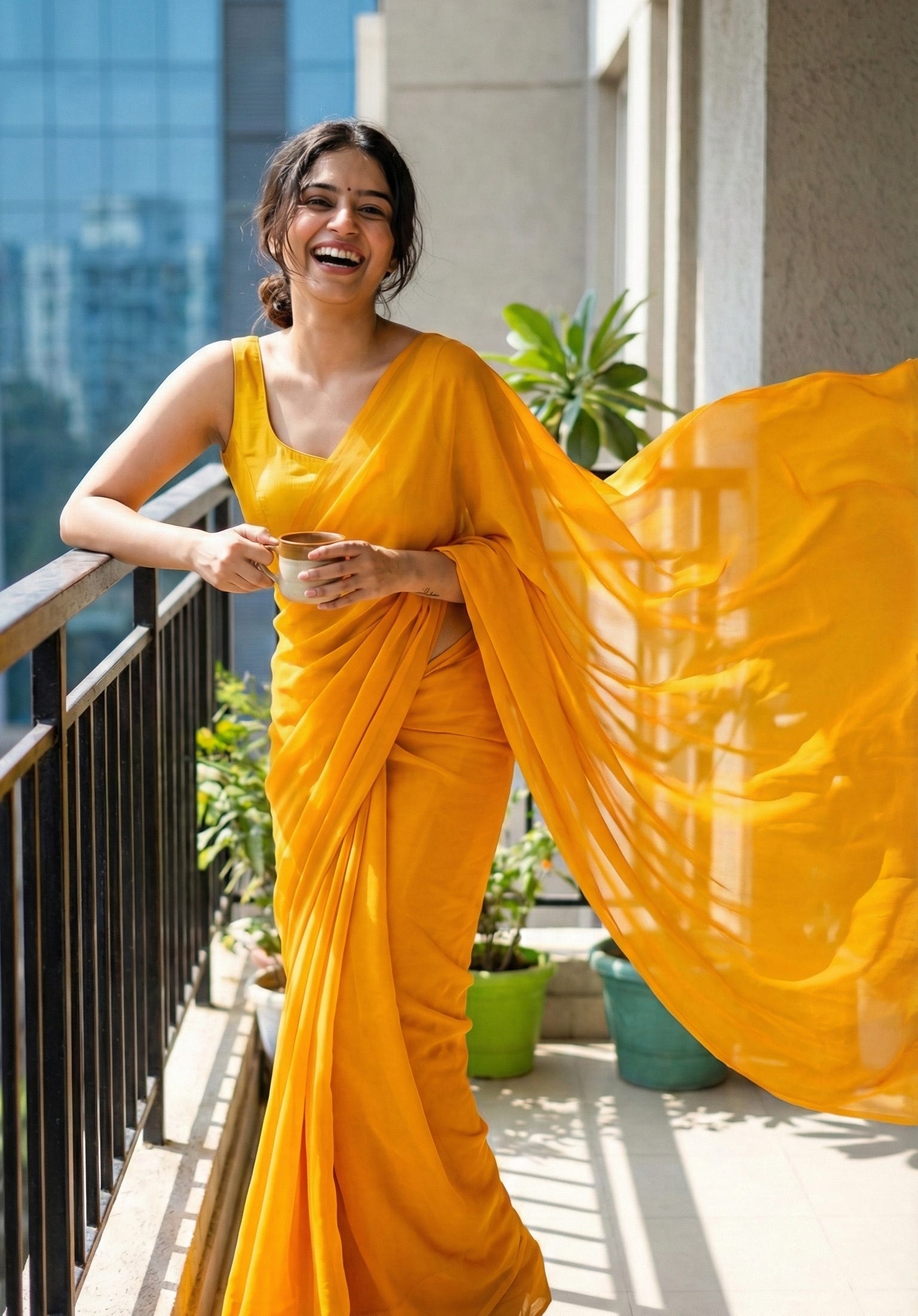
A Final Thought from AOF
The saree has never been static. Its power lies in its refusal to be fixed. From traditional regional drapes to modern after-dark silhouettes, each style offers a different way to inhabit the same garment. Whether you choose restraint or drama, heritage or fusion, the saree responds — it does not dictate.